

No products in the cart.
The biggest mistakes homeowners make during a renovation
A home renovation is one of the biggest investments most homeowners will make. While it’s exciting, it’s also filled with decisions that can have a lasting impact on both the final result and the overall experience of the project.
Over the years, I’ve seen the same mistakes happen again and again—not because homeowners make poor decisions, but because they often don’t have the information they need early in the process. Fortunately, most of these mistakes can be avoided with thoughtful planning.
The biggest mistakes homeowners make during a renovation
1. Starting Construction Without a Well-Defined Design Plan
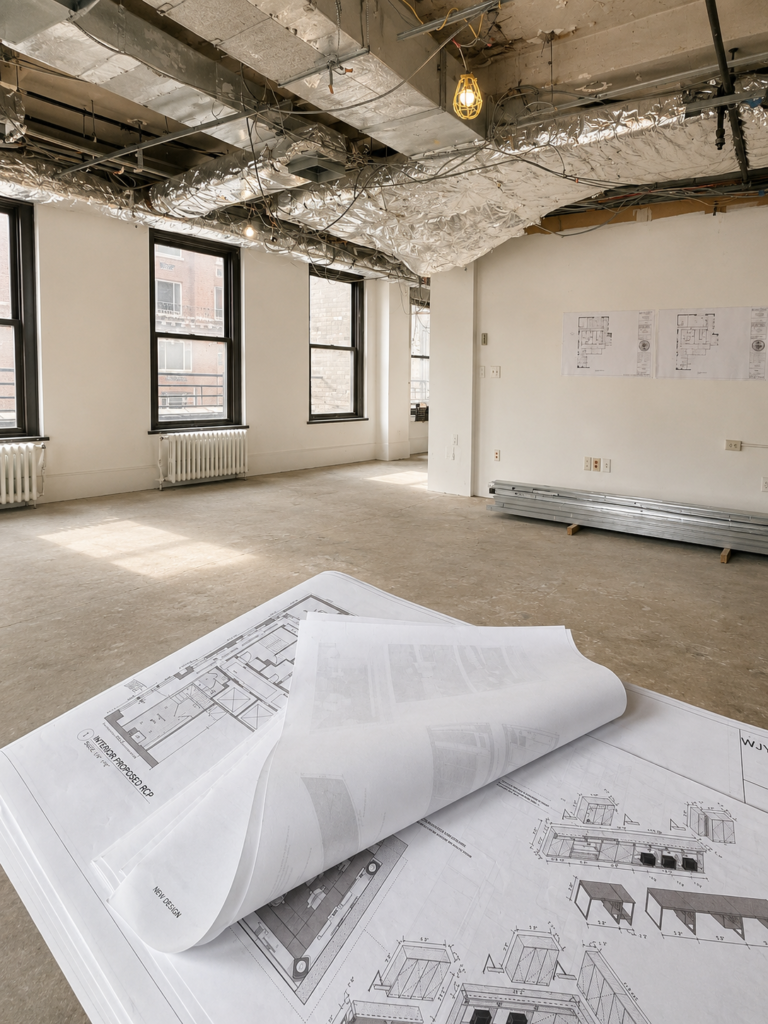
One of the most critical mistakes I see is beginning a renovation without a complete and detailed design plan.
When a project lacks clarity from the start, major decisions end up being made during construction, which often leads to:
rework and change orders;
– increased costs;
– a lack of design consistency;
– project delays.
In my high-end residential projects, every major detail is established before construction begins, including the layout, material selections, lighting plan, millwork, and finishes.
Construction should be the execution of a well-developed vision, not the phase where the design is being created in real time.
2. Prioritizing Aesthetics Over Functionality
Another common mistake is focusing on how a space looks before considering how it will actually function.
A beautiful home should also support the way you live. Before selecting finishes or furniture, I encourage homeowners to think about how they’ll move through the space and how it will serve them every day.
That means considering:
– Intuitive circulation throughout the home;
– Storage that supports daily routines;
– Meaningful connections between social and private spaces;
– Flexibility for the way your family lives today—and in the future.
When functionality is considered from the beginning, the result doesn’t just look beautiful. It feels effortless to live in.
3. Prioritizing Trends Over Timeless Materials
One of the easiest ways for a renovation to feel dated is by choosing materials simply because they’re popular at the moment.
Trends come and go, but a renovation is a long-term investment. Before selecting finishes, I encourage homeowners to think beyond what’s currently fashionable and consider whether those choices will still feel relevant years from now.
When evaluating materials, consider:
– How they’ll age over time;
– Their durability and maintenance requirements;
– Whether they feel authentic rather than manufactured;
– How well they complement the overall architecture of the home.
Natural materials such as stone and wood have remained desirable for generations because they bring depth, warmth, and character that trends rarely achieve. Their natural variation makes every project unique and allows them to age gracefully rather than feel outdated.
Timeless design isn’t about avoiding new materials altogether. It’s about choosing materials that continue to feel beautiful long after today’s trends have passed
4. Overlooking the Importance of Storage
One of the most common planning mistakes is failing to adequately address storage needs.
Without thoughtful storage solutions, the outcome is often the same: cluttered and visually overwhelming spaces.
In every project, I treat storage as an essential part of the design process, not an afterthought. Effective storage solutions should be:
– integrated into the architecture;
– discreet;
– functional;
– tailored to the homeowner’s lifestyle..
The best storage solutions are often the ones you barely notice because they’ve been integrated into the architecture from the very beginning.
5. Treating Lighting as an Afterthought
One of the biggest mistakes I see is leaving the lighting plan until the end of a renovation.
Lighting should be considered alongside the architecture, not after finishes have been selected. A well-designed lighting plan does far more than illuminate a space—it influences how the home is experienced every day.
When planning your lighting, consider:
– Layering ambient, task, accent, and decorative lighting rather than relying solely on recessed fixtures;
– Highlighting architectural features and key focal points throughout the home;
– Selecting warm, comfortable light temperatures that create a welcoming atmosphere;
– Planning lighting around how each space will be used, not just where electrical fixtures can be placed.
Thoughtfully designed lighting adds depth, enhances materials, and creates a home that feels warm, functional, and inviting. Like good architecture, great lighting often goes unnoticed—but it has a lasting impact on how every space is experienced.
How Can You Avoid These Renovation Mistakes?
If I could summarize my advice in a few key principles, it would be this:
1. Start with a complete design plan
2. Prioritize functionality before aesthetics
3. Choose materials based on long-term durability
4. Incorporate storage solutions from the beginning
5. Design around the experience of the people who will live in the space
To conclude, it’s important to understand that a successful renovation doesn’t happen by chance.
It’s the result of thoughtful planning, well-informed technical decisions, and a clear long-term vision.
When every aspect of a project is approached with intention from the layout and circulation to the lighting and material selections, the outcome is more than just a renovated home. It becomes a space that feels functional, sophisticated, and built to stand the test of time.
Thinking about renovating your home? A well-planned design is the first step toward creating spaces that are elegant, practical, and enduring. Get in touch to learn how we can transform your home into a space that feels timeless and truly tailored to the way you live.

Leave a Reply