

No products in the cart.
Quiet Luxury Interior Design: 5 Ways to Create a Timeless Luxury Home
Luxury looks different today than it did even a decade ago.
Not long ago, luxury interiors were often defined by grand chandeliers, ornate detailing, and rooms designed to make a statement. While there’s certainly a place for those elements, many homeowners are now drawn to something quieter and more personal.
As a luxury interior designer working with homeowners, I’ve noticed a shift in what clients want from their homes. More often than not, our conversations aren’t about making a space feel expensive. They’re about creating a home that feels comfortable, beautifully considered, and aligned with the way a family actually lives.
That shift has helped bring more attention to a design philosophy often referred to as quiet luxury.
Despite its growing popularity, quiet luxury is frequently misunderstood. It isn’t about spending more or following a specific aesthetic. It’s about making thoughtful choices that stand the test of time and contribute to a home that feels effortless to live in.
So what creates that feeling?
What Is Quiet Luxury in Interior Design?
Quiet luxury is a design approach centered around quality, restraint, and longevity.
Rather than relying on trends or decorative excess, it focuses on creating spaces that feel collected, intentional, and highly functional.
Some of the principles behind quiet luxury include:
- High-quality natural materials
- Timeless design choices
- Exceptional craftsmanship
- Practical functionality
- Everyday comfort
- A sense of individuality without unnecessary excess
The result is a home that feels elegant without trying too hard.
Why Some Expensive Homes Still Don’t Feel Luxurious
One thing I’ve learned over the years is that budget alone doesn’t create luxury.
I’ve seen homes with incredible materials, custom millwork, and generous renovation budgets that still felt incomplete. Not because anything was wrong individually, but because the elements weren’t working together.
The homes that feel the most luxurious are rarely the ones with the most expensive finishes. They’re the ones where every decision supports the overall experience of living there.
Scale, proportion, lighting, materials, and functionality all play a role. When those pieces are working together, a home feels comfortable, balanced, and effortless. When they aren’t, even beautiful spaces can feel disjointed.
That’s one of the reasons quiet luxury resonates with so many homeowners. It prioritizes thoughtful design over visual excess and creates spaces that feel good long after the initial excitement of a renovation has faded.
1. Natural Materials Never Go Out of Style
In my work with homeowners, one preference comes up again and again: natural materials.
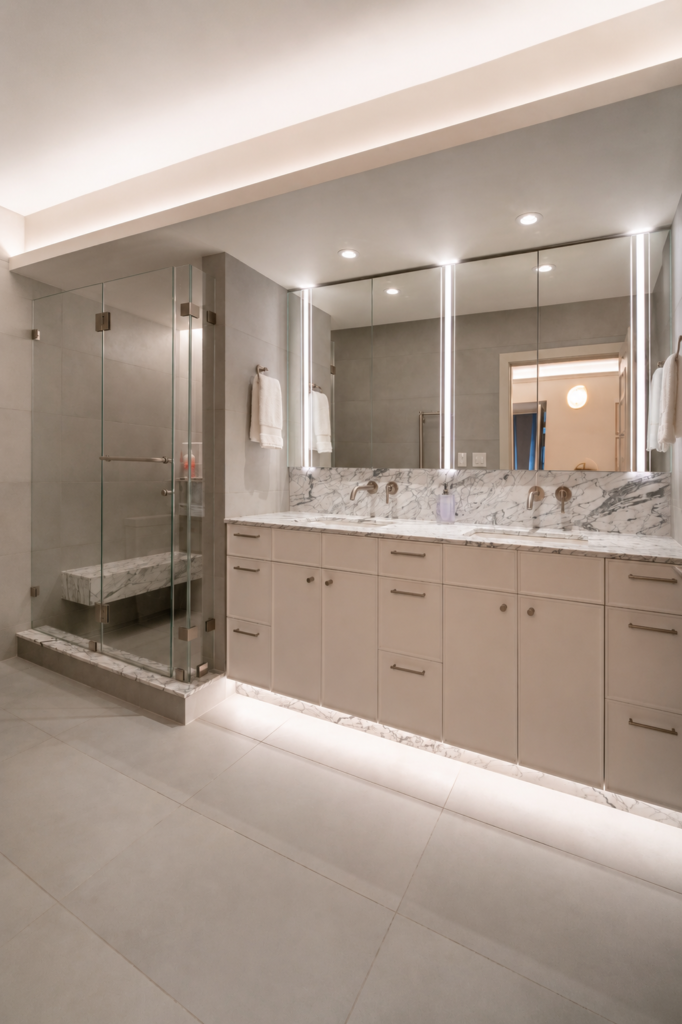
Stone surfaces such as marble, quartzite, and limestone bring depth, texture, and character to a space in a way that manufactured materials often struggle to replicate.
The same applies to natural wood finishes. White oak, walnut, and other natural wood finishes add warmth and create a sense of balance throughout a home.
One of the reasons these materials remain so popular is that they age beautifully. Trends come and go, but natural materials tend to develop character over time rather than feeling outdated.
When selecting finishes, I always encourage clients to think beyond what looks beautiful today. The best choices are the ones that will still feel right years from now.
2. A Refined Color Palette Creates Lasting Elegance
Many people assume that creating visual impact requires bold color choices.
In reality, some of the most sophisticated interiors rely on a much quieter palette.
Soft whites, warm beiges, taupe, greige, gentle grays, and earthy tones provide a foundation that allows architecture, materials, artwork, and lighting to take the spotlight.
Many of the most successful residential interior design projects share this same characteristic. The spaces feel calm, welcoming, and timeless because they aren’t tied to a specific trend.
A neutral palette doesn’t mean a space lacks personality. It simply creates more room for texture, craftsmanship, and carefully selected details to stand out.
3. Lighting Has More Impact Than Most People Realize
Lighting is often one of the most overlooked aspects of a renovation.
At the same time, it’s one of the elements that has the greatest influence on how a home feels.
I’ve worked with homeowners who invested heavily in finishes and furnishings, only to realize later that the lighting wasn’t supporting the atmosphere they wanted to create.
A successful lighting plan usually includes three layers:
Ambient Lighting – General lighting that provides overall comfort and visibility.
Accent Lighting – Lighting used to highlight artwork, architectural features, and focal points.
Task Lighting – Functional lighting designed for kitchens, home offices, bathrooms, and other work areas.
When these layers are combined thoughtfully, a home feels more inviting and comfortable throughout the day.
Simple additions such as integrated LED lighting, decorative fixtures, sconces, and table lamps can completely change how a space is experienced.
4. Fewer Pieces, More Meaning
One of the most common misconceptions about luxury is the idea that more is better.
In reality, many of the most memorable homes are surprisingly restrained.
Rather than filling every corner, they focus on a smaller number of pieces that have meaning.
Original artwork, custom furnishings, pieces collected during travel, and artisan-made objects often bring far more personality to a home than shelves full of decorative accessories.
Instead of filling a room with more items, I prefer focusing on a few meaningful elements that reflect the people who live there.
Those are usually the details that make a home feel unique.
5. Architectural Details Create Lasting Impact
Some of the most impactful design decisions are often the ones people don’t immediately notice.
Architectural details such as custom millwork, integrated niches, ceiling treatments, flush transitions, thoughtfully designed cabinetry, and architectural lighting contribute to a home’s overall sense of refinement. While these elements may seem subtle on their own, together they create spaces that feel intentional and well-considered.
These details help elevate a home beyond the standard solutions often found in builder-grade construction. Rather than relying on decorative elements to create visual interest, they become part of the architecture itself, adding depth, character, and functionality to the space.
When carefully integrated into the design, architectural details create a lasting impact that feels timeless rather than trend-driven. They may not be the first thing someone notices when entering a room, but they often play a significant role in why the space feels sophisticated and memorable.
Luxury Isn’t About Impressing People. It’s About How Your Home Makes You Feel.
Quiet luxury isn’t about making a statement.
It’s about creating a home that feels personal, welcoming, and enduring.
When beauty, functionality, and authenticity come together, the result is a space that remains relevant long after trends have changed.
Whether you’re planning a luxury home renovation, updating a residence, redesigning a home or looking for guidance from a luxury interior designer, the principles of quiet luxury can help create a home that feels sophisticated, personal, and timeless.
If you’re exploring ideas for your own home but aren’t sure where to begin, my Virtual Consultation provides personalized guidance to help you make confident decisions that align with your lifestyle, your family’s needs, and your long-term vision for your space.
Frequently Asked Questions About Quiet Luxury Interior Design
What is quiet luxury in interior design?
Quiet luxury is a design approach that prioritizes quality materials, craftsmanship, thoughtful details, and long-term livability over trends or excessive decoration.
How can I make my home feel more luxurious?
Focus on quality materials, layered lighting, comfort, and cohesive design choices. Often, the feeling of luxury comes from how a space functions rather than how much it costs.
What materials are commonly used in luxury interiors?
Natural stone, marble, quartzite, limestone, white oak, walnut, linen, and other durable materials are frequently used because they age beautifully and maintain their appeal over time.
Is quiet luxury a trend?
While the term itself has become popular recently, the principles behind it have been part of great design for decades. Quality, simplicity, and longevity rarely go out of style.
Should I hire an interior designer for a home renovation?
An experienced interior designer can help you avoid costly mistakes, create a cohesive plan, improve functionality, and make decisions that support both your lifestyle and long-term investment.
Leave a Reply