

No products in the cart.
Contemporary Architecture: what it is and why it remains relevant
To me, contemporary architecture is about creating homes that are functional, timeless, and designed to support the way people live today.
Unlike what many people assume, contemporary architecture doesn’t come down to white houses, cold spaces or projects without personality. In fact, it’s capable of highlighting each client’s individuality, incorporating materials, textures and solutions that make spaces truly unique.
In this article, I’ll show what really defines contemporary architecture and why it remains relevant, regardless of the trends that come and go over the years.
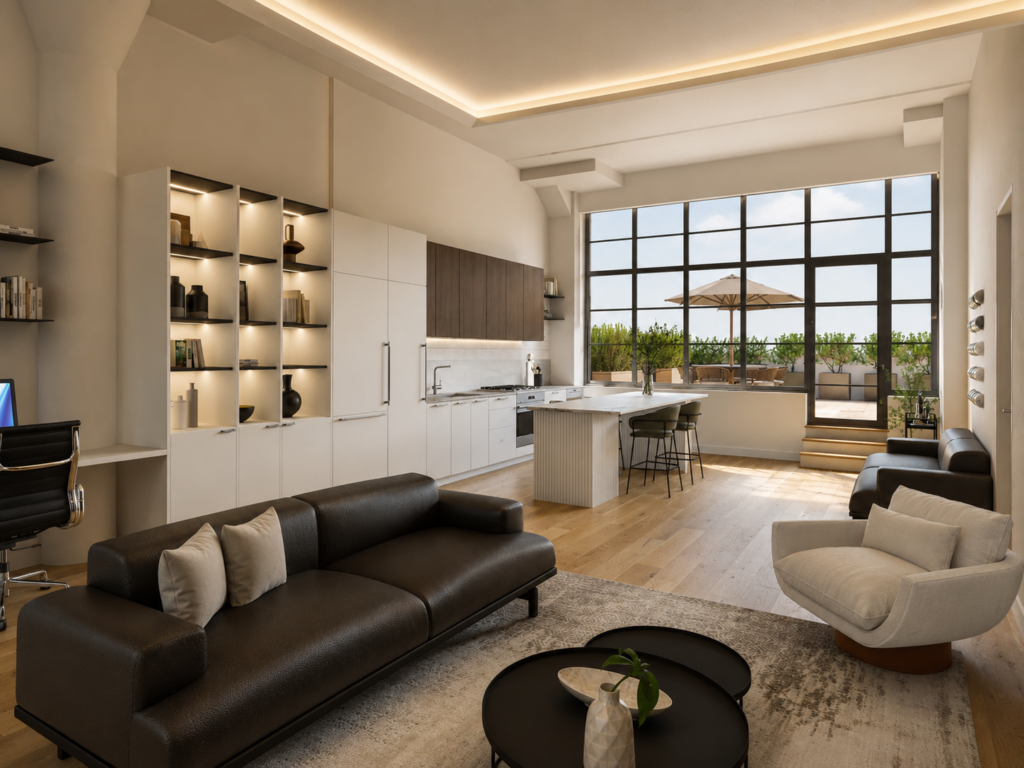
What is contemporary architecture?
I often say that contemporary architecture is, above all, a way of thinking. More than an architectural style, it’s a way of designing homes around the people who live in them, creating spaces that can adapt as their lives evolve.
Contemporary architecture is constantly evolving. This means there’s no set formula: each project is developed in a personalized way, taking into account the routine, habits, desires and lifestyles of the residents.
As a result, spaces are created to be more functional, comfortable and prepared to adapt to changes over time. The choice of materials, the layout of the spaces, the lighting and every detail of the project are thought out to improve the experience of living there.
That’s why contemporary architecture can’t be defined by appearance alone. It’s not just about straight lines, neutral colors or minimalist facades. Its essence lies in creating spaces that make sense for the people in them, balancing functionality, personality and a design that can remain relevant for many years.
Now, I want to share three reasons why contemporary architecture will continue to be relevant and current, even ten years from now.
1. Contemporary doesn’t mean cold
If there’s one idea I enjoy challenging, it’s that contemporary architecture results in cold, impersonal homes. Over the years, I’ve noticed that this is one of the biggest misconceptions about this style.
Let’s be clear: yes, cleaner lines and a balanced aesthetic are usually part of contemporary architecture. But that doesn’t mean sacrificing warmth. Quite the opposite.
Whenever I design a home my goal is to create spaces that convey a sense of well-being and reflect the personality of whoever is going to live there. Natural stone, wood, fabrics, warm lighting, artwork, plants and well-planned built-ins are elements that help bring warmth, texture and identity to each space.
In the end, contemporary architecture doesn’t seek to eliminate details, but to find the balance between aesthetics, functionality and personality.
2. Functionality and comfort need to go hand in hand
If there’s one principle that guides all of my contemporary architecture projects, it’s this: a beautiful home needs, first and foremost, to work well.
For me, it doesn’t make sense to create a visually beautiful project if it doesn’t fit the daily routine of the people who will live there. That’s why every decision is made with the residents’ lifestyle in mind, thinking about how they move through and use the spaces every day.
The circulation is carefully planned, the spaces are sized according to the family’s needs, natural lighting is valued and ventilation solutions are considered from the very first stages of the project. Storage is also integrated into the design from the beginning, rather than treated as an afterthought. In addition, durable, low-maintenance materials are specified to ensure longevity and practicality over the years.
The result is a home where comfort, functionality and aesthetics stop competing with each other and start working together.
3. Personalization is one of the greatest assets
Another aspect that makes contemporary architecture so valued is the ability to create truly personalized projects.
Instead of relying on one-size-fits-all solutions, each home is designed to reflect the lifestyle of the people who will live there. Every decision—from the layout and lighting to the finishes and custom cabinetry—is made with their daily routines, needs, and priorities in mind.
Why does working with a professional make all the difference?
Although there are countless references available online, a good contemporary architecture project requires technical knowledge and planning.
Structural issues need to be assessed. Materials must be correctly specified. Electrical, lighting, plumbing, and other technical drawings need to be coordinated before construction begins.
Otherwise, changes may be made during execution, leading to delays, waste and increased costs.
When all of these steps are handled by an experienced professional, better decisions are made from the start.
As a result, the construction process tends to be more efficient, the investment is better utilized and the final result meets the residents’ expectations.
Final thoughts
Far beyond an architectural style, contemporary architecture represents a design approach centered on people’s needs.
It’s not defined by cold spaces or lack of personality. It’s the opposite, its essence lies in creating warm, functional spaces designed to support the way people live today—and continue to do so for years to come.
If you’re planning a renovation and want a home that’s thoughtfully designed around your lifestyle—not just today’s trends—I’d be happy to help.
My goal is to create personalized spaces that are functional, timeless, and enjoyable to live in for years to come.
Get in touch and let’s talk about your project.

Leave a Reply